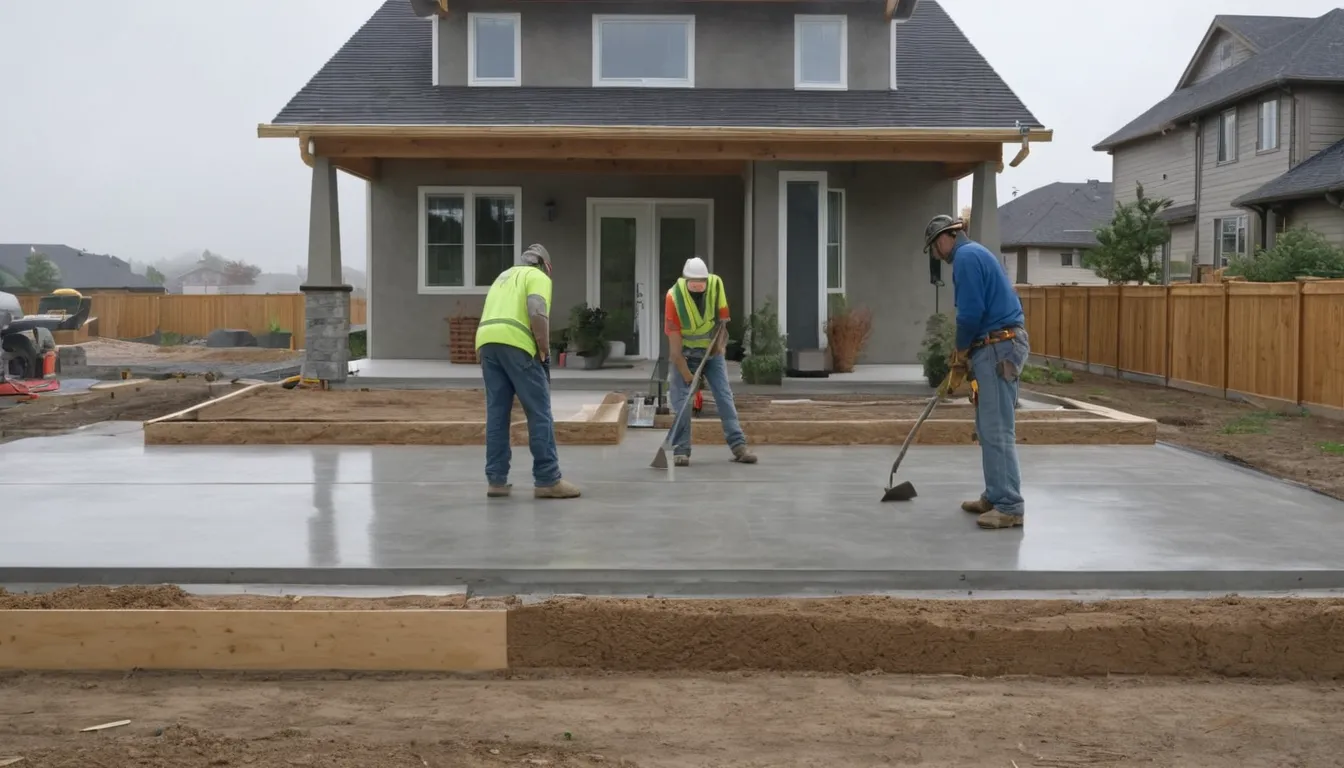
Need concrete driveways in Trussville?
Planning a new driveway or patio? Send a few details and Princeaid Concrete will point you to a local provider in our network. Questions are welcome, even the basic ones.
No obligationRequest an estimate today
A concrete driveway is one of the first things people see at your home. It is also one of the hardest working. Cars, trucks, bikes, and summer sun all land on it. If yours is cracked, sunken, or worn out, a new slab may be the clear next step. This page explains the basics in plain words.
Princeaid Concrete is a referral service. It does not pour or finish concrete. It connects homeowners in Trussville with independent local providers who do. Request an estimate, and a provider can talk through your goals, look at the site, and send a written quote you can compare.
If you have never replaced a driveway, the first question is simple: can the old one be saved? Sometimes yes. Sometimes a patch only hides a bigger problem. This page helps you tell the difference.
Walk your driveway slowly in good light. These clues often point to replacement:
One thin crack is common. Concrete moves a little with heat and moisture. A cluster of problems is the stronger signal.
Concrete driveway repair can work for small, stable damage, like a short crack or one chipped corner. If the slab is sinking, wide, or crumbling, a patch tends to fail again. When you request quotes, say plainly that you want a price for a new driveway. A provider can look at the slab and tell you which path fits.
Sometimes a sinking driveway sits beside a house with its own trouble. Look for cracks in brick, doors that stick, or gaps along the slab edge. Those signs call for foundation repair experts, not a driveway pour. Sort that out first, because new concrete next to a moving foundation can crack again. Many local homes are slab-on-grade ranches, and a few older ones sit on piers, so ground movement is worth a second look.
Most projects follow the same path. Providers differ in the details, so read each quote closely.
Providers call this kind of work concrete flatwork. You may see that term on your quote.
Size comes first. Measure the width your cars need, plus room to turn and park. Add a little for guests.
Thickness matters next. Four inches is common for cars. Heavy trucks or an RV may call for five or six inches. Ask what is planned and why.
Finish is the look and the grip. A broom finish is simple and gives steady footing when wet. Color, borders, and exposed stone cost more. If you want a patterned look, bring it up early.
Hot summers can make concrete set fast, so providers often pour early in the day. Humid air and sudden storms matter too. A provider may cover a fresh pour or pause if heavy rain is near. Slope is key. Water should run off the slab and away from the garage, not pool. Winters are mild, but a rare hard freeze can still stress poorly prepared ground.
The apron is the part where your driveway meets the street. It often sits in the public right-of-way. Many cities have their own rules for width, slope, and who may work there. A permit may be needed for the apron or for a larger driveway. Ask each provider who handles permits and who pays the fee. Get that answer in writing. Your city or county office can confirm local rules.
A driveway project touches daily life. You may lose car access for several days while the concrete cures. A little planning helps.
Good providers talk through this before the first day. Plan it, then pour.
Gather two or three written quotes. Compare the same things side by side: size, thickness, base work, finish, and cleanup. A very low number may leave something out. Ask about insurance and licensing, and check those details with the provider directly. Princeaid Concrete does not vouch for any provider's credentials. Ask to see past driveways, ideally ones a few years old.
Request a callback to check provider availability in your area.
Ask before you pour. A clear, calm answer is a good sign.
Keep cars and heavy loads off until the provider says the slab is ready. That is often several days for cars. Keep sprinklers off the edges at first. Seal the surface if the provider advises it. Rinse off oil and spills soon, and sweep away leaves and mud that hold moisture. Small hairline cracks can appear as concrete cures, so ask what to expect.
You do not need to know every answer yet. Tell a provider what you have in mind, and they can fill in the rest. Start with a request and compare what comes back.
Providers can break up and haul away a cracked or sunken driveway before new work begins.
A packed, sloped base helps water drain and keeps the new slab steady.
Forms set the shape, and mesh or rebar adds strength where needed.
Concrete is placed, leveled, and finished with joints cut to guide cracks.
These are typical U.S. ranges. Real prices vary by size, soil, access, and finish, so always get a written quote before you agree to anything.
| Item | Typical range | Notes |
|---|---|---|
| Standard broom-finish driveway | $6 – $12 per sq ft | Most common choice; size drives the total |
| Removing old concrete | $1 – $3 per sq ft | Hauling and disposal can change this |
| Base prep and grading | $1 – $4 per sq ft | Soft or sloped ground costs more |
| Thicker slab or extra steel | $1 – $3 more per sq ft | Useful for heavy trucks or RVs |
| Color, borders, or exposed stone | $2 – $8 more per sq ft | Depends on the pattern and detail |
| Permit and street apron work | $50 – $500 | Local rules differ; ask your city office |
Share your address area, rough driveway size, and what you want changed.
Princeaid Concrete connects you with an independent local provider who handles new driveways.
Check size, thickness, base work, finish, permits, and cleanup before you agree.
Pick a start date that fits your family, work hours, and the local weather.
First-timers get simple explanations of slabs, base work, and finishes before talking to anyone.
Independent providers in our network know the region's heat, humidity, and heavy rain.
Compare clear, itemized quotes side by side so you can choose with confidence and without pressure.
Request an estimate with no obligation and decide at your own pace.
Planning a new driveway or patio? Send a few details and Princeaid Concrete will point you to a local provider in our network. Questions are welcome, even the basic ones.
No obligationMany providers say cars can use a new driveway after about a week, though timing varies with weather and mix. Full strength takes around a month. Ask your provider for a clear date.
Short, stable cracks can often be patched. If the slab is sinking, crumbling, or covered in cracks, replacement usually lasts longer. A provider can inspect it and explain which choice fits your situation.
Often yes, especially if the work touches the street apron or changes the driveway width. Rules vary by city and county. Ask your provider who pulls the permit, and confirm with your local office.
Planning a new driveway or patio? Send a few details and Princeaid Concrete will point you to a local provider in our network. Questions are welcome, even the basic ones.
No obligation